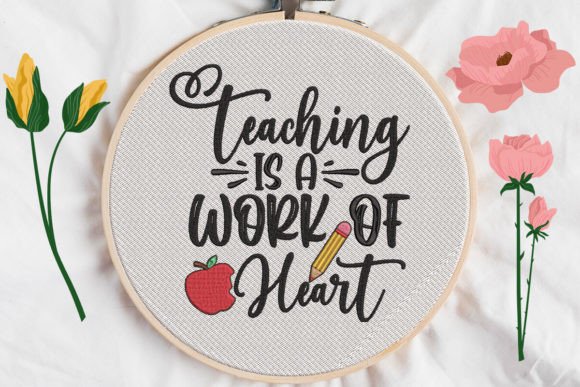
Reviewing Teaching a is Work of Heart for Craft Fairs
As an embroidery designer who has spent countless weekends standing behind booth tables, I know that the difference between a browser and a buyer often comes down to emotional connection. When I first loaded the Teaching a is Work of Heart design into my software, I was looking for more than just clean stitch paths. I was looking for a story. In the world of handmade goods, especially during the busy Back To School season, customers are not just buying thread on fabric; they are buying sentiment. This particular machine embroidery design captures that sentiment perfectly, blending professional craftsmanship with a touch of whimsical charm that appeals directly to educators, parents, and gift-givers.
First Impressions and Visual Appeal
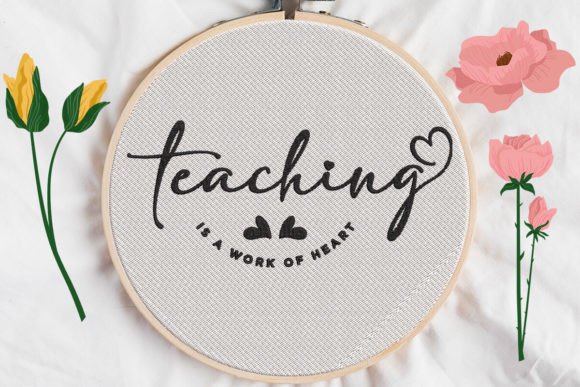
The title itself, Teaching a is Work of Heart, suggests a play on words that is both clever and heartfelt. Visually, this design leans into a style that is soft, decorative, and inviting. It does not scream for attention with aggressive boldness; instead, it draws the eye with a joyful and charming aesthetic. For a craft fair seller, this is crucial. You want items that make people stop and smile. The design feels modern yet rustic enough to fit into the current farmhouse and boutique trends that dominate Etsy and local markets. It avoids being overly childish, which broadens its appeal from elementary teachers to high school educators and even administrative staff who take pride in their profession.
When evaluating this as a potential bestseller, I look at the balance of elements. Does the text overpower the graphic, or do they complement each other? In this case, the design appears to offer a harmonious blend, making it versatile for various applications. It feels like a premium addition to a small shop product line, offering that high-end look without requiring hours of complex production time.
Product Applications for Maximum Sales
To truly gauge the value of this embroidery file, we must imagine it on actual products. Here is how I see Teaching a is Work of Heart performing across different categories in a weekend market setup:
- Tote Bags and Market Bags: This is perhaps the strongest contender. A canvas tote with this design centered creates an instant tote bag design that teachers can use for carrying books or groceries. It serves as a walking advertisement for your brand.
- Aprons and Kitchen Textiles: An apron embroidery project using this motif makes for a thoughtful gift. Pair it with a matching tea towel embroidery set, and you have a bundled item that increases average order value.
- Embroidered Patches: If the design scales well, turning it into an embroidered patch allows customers to customize their own jackets or bags. This is a huge trend among creative entrepreneurs and younger demographics.
- Caps and Headwear: Placing this on a curved cap surface requires careful digitizing, but if executed correctly, it becomes a stylish accessory for casual wear.
- Pillow Covers and Home Decor: For those looking for home accents, a small pillow cover with this message adds a personal touch to a classroom or home office.
Each of these items transforms the digital embroidery file into a tangible, sellable asset. The key is consistency. Using the same design across multiple product types creates a cohesive booth display that looks professional and curated.
Production Practicality and Batch Efficiency
For any embroidery business owner, time is money. When reviewing Teaching a is Work of Heart, I consider the practicalities of batch production. Is the stitch density manageable? High stitch density can lead to puckering, especially on lighter fabrics like tea towels or shirt materials. A well-digitized design should balance coverage with fabric integrity. If the design features dense areas, using the right stabilizer is non-negotiable. I recommend testing on scrap fabric first to ensure the fabric texture does not interfere with the clarity of the stitches.
Another critical factor is repeatability. Can you hoop, stitch, and remove this design quickly? Designs that require excessive trimming or complex color changes slow down production. Ideally, this design should allow for efficient workflow, enabling you to produce multiple units before a fair. Check the thread colors required. If it uses standard shades, you save time on thread swaps. If it requires obscure colors, consider whether the visual impact justifies the extra effort.
Navigating Technical Challenges
While the design is charming, there are careful-use notes to consider. Small lettering can sometimes lose clarity, especially if scaled down too much for small pouches or patches. Always verify the minimum size recommended by the digitizer. Additionally, when working on dark fabric, you may need to adjust underlay stitches or use a topping to ensure the thread colors pop. Textured towels can also pose a challenge; the needle might skip if the pile is too high, so testing on your specific inventory is essential.
Curved surfaces, like caps, require special attention to hoop size and stabilization. If the design is too wide, it may distort on the curve. Always create at least one real mockup on the actual product before committing to a large batch. This helps you identify any spacing issues or visual imbalances that might not be apparent on a screen.
Marketing and Brand Consistency
From a marketing perspective, Teaching a is Work of Heart is a goldmine for content creation. It photographs beautifully for online listings. Imagine a flat lay with the embroidered item surrounded by apples, notebooks, and coffee mugs. These printable mockup styles perform exceptionally well on social media and Etsy. The emotional resonance of the phrase encourages sharing, which boosts buyer engagement.
For an Etsy seller or digital seller, this design adds depth to your catalog. It shows that you understand your niche. Whether you are selling the finished product or the commercial embroidery file itself, the quality of the design reflects on your brand. Consistency in style helps build a loyal customer base who knows what to expect from your shop. If your brand is known for joyful, charming, and high-quality handmade items, this design fits seamlessly into that narrative.
Final Designer Notes and Licensing
Before you launch this design into your product line, there are final checks to complete. First, confirm the commercial licensing terms. Ensure that the digital embroidery file you purchased allows for the sale of finished physical goods. Most designers offer different licenses for personal versus commercial use, so read the fine print.
Second, verify the technical specifications. Since exact stitch count, file format, and hoop size are not provided in the initial description, you must check these details in the product download. Ensure the file format is compatible with your machine. Check the hoop size requirements to avoid last-minute surprises during production.
Finally, trust your instincts as a creator. Does this design feel right for your audience? Does it align with the quality standards you set for your craft fair booth? If the answer is yes, then Teaching a is Work of Heart is not just a design; it is a tool for connection. It turns simple fabric into a meaningful gift, adding value to your handmade products and joy to your customers. By focusing on these practical and emotional aspects, you can maximize the potential of this design and create a successful, profitable collection for the upcoming season.