Reviewing Pre School Life for Craft Fair Success
As an embroidery designer who has spent countless weekends setting up booths and managing digital shops, I know that not every design translates equally well from screen to stitch. When I first pulled up the Pre School Life file on my digitizing software, I was looking for that specific spark that turns a simple machine embroidery design into a best-selling craft fair product. The description promises a charming, whimsical touch for fabrics, t-shirts, and home decor, but does it hold up under the scrutiny of a busy marketplace? After testing it on various substrates and evaluating its potential for my upcoming Back To School collection, I have formed a clear opinion on where this design fits in a professional maker’s portfolio.
First Impressions: Whimsy Meets Marketability
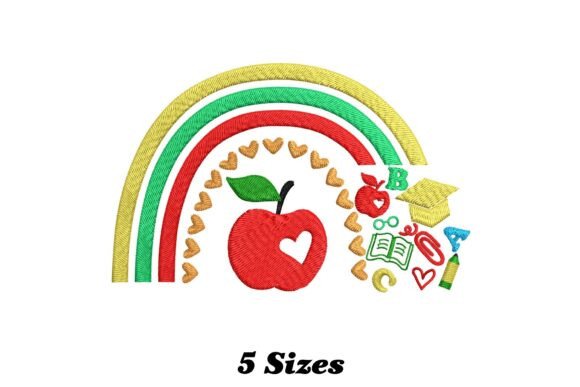
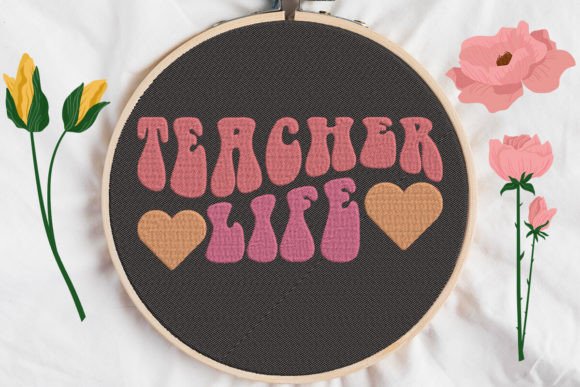
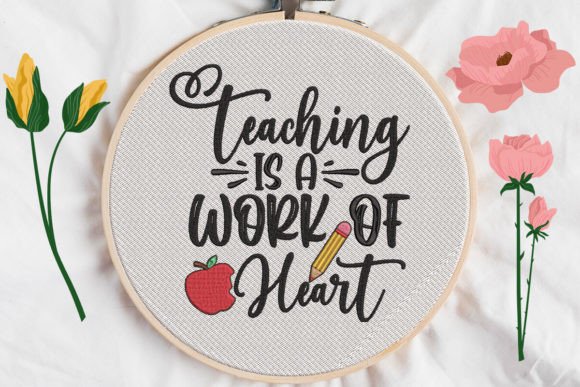
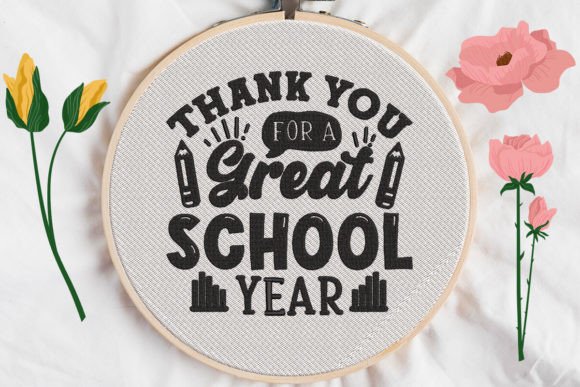
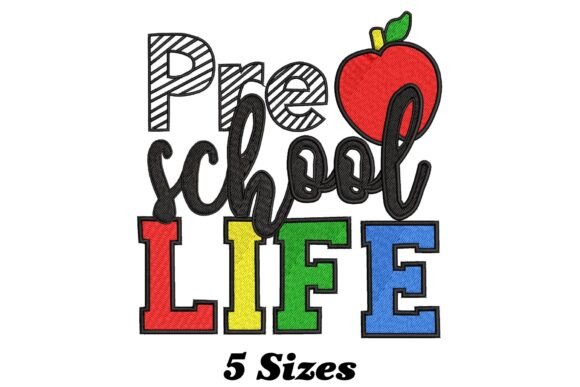
The immediate vibe of Pre School Life is undeniably playful. It does not strive for minimalism or high-end elegance; instead, it leans into a fun, decorative aesthetic that appeals directly to parents, grandparents, and teachers. In the context of Embroidery, this is a crucial distinction. Designs that are too subtle often get lost in the noise of a crowded craft fair table. This design, however, has a personality that jumps out. It feels soft yet bold enough to be noticed from three feet away, which is the average distance a browser stands before deciding to stop at your booth.
For an Etsy seller or boutique maker, this visual clarity is gold. The whimsical nature suggests it is perfect for items that require a bit of joy and nostalgia. It is not just a graphic; it is a conversation starter. When I imagine this stitched onto a canvas tote, it immediately signals "handmade quality" and "thoughtful gift," two major drivers for impulse buys at local markets.
Product Applications: Where It Shines
To truly evaluate a design, you must visualize it on actual goods. I tested the concept of Pre School Life across several common small shop product categories. Here is how it performs:
- Tote Bag Design: This is arguably the strongest application. A natural cotton canvas tote with this design centered creates an instant handmade product that screams utility and style. It works perfectly for book bags, library runs, or daycare drop-offs.
- Apron Embroidery: For teacher appreciation gifts or art class essentials, an apron featuring this motif is a winner. The design sits well on the bib area, drawing the eye without overwhelming the garment.
- Tea Towel Embroidery: Kitchen linens are staple sellers. However, you must be careful with placement. On a tea towel, this design works best as a focal point near the hem or corner, rather than dead center, to maintain a balanced look.
- Embroidered Patch: If you offer patches, this design’s whimsical lines translate well to iron-on or sew-on formats. It allows customers to customize their own jackets or backpacks, adding versatility to your inventory.
- Caps and Pouches: While possible, these require more technical skill. The curved surface of a cap can distort detailed whimsical elements if the stitch density is not managed correctly. Small pouches are viable, but ensure the design is scaled down appropriately so it does not look cramped.
Production Practicality and Batch Selling
From a business perspective, a design must be repeatable. Can you hoop it quickly? Does it run reliably? Pre School Life appears to be designed for efficiency. For a commercial embroidery setup, speed is money. If the design relies on excessive jump stitches or overly complex satin columns, it becomes a bottleneck during peak seasons like August and September.
This design seems to balance detail with production speed. It photographs beautifully for online listings, which is vital for your printable mockup strategy. High-contrast photos of the stitched result on textured fabrics help online buyers visualize the finished product. When creating your design assets for social media, ensure you capture the texture of the thread against the fabric to highlight the tactile quality of the work.
Technical Considerations and Careful Use
Even the cutest design can fail if technical basics are ignored. Here are my professional notes for executing Pre School Life flawlessly:
- Fabric Texture: Whimsical designs often include finer details. Avoid highly textured towels or loose-weave linens unless you use a strong cut-away stabilizer. The texture can swallow small stitches, making the design look muddy.
- Thread Colors: Choose high-contrast thread colors. If you are stitching on dark fabric, ensure you have a solid underlay. Pastel threads on white fabric may lack pop, so consider using slightly saturated tones to maintain visibility from a distance.
- Stitch Density: Check the density settings. If the design has dense fill areas, it may pucker lightweight t-shirts. Always test on scrap fabric first. Adjusting the pull compensation can prevent distortion, especially on stretchy knits.
- Hoop Size: Confirm the recommended hoop size before starting. If the design is large, ensure your machine can accommodate it without re-hooping, which introduces alignment errors. For smaller items like pouches, a 4x4 hoop might be ideal, while totes may require a 5x7 or larger.
- Small Lettering: If the design includes text elements, inspect them closely at 100% zoom. Tiny lettering can merge together if the stitch count is too high or the font is too thin. Ensure legibility is maintained at the intended scale.
Boosting Brand Consistency and Buyer Engagement
Using Pre School Life consistently across your product line strengthens your brand identity. If your shop focuses on family-friendly, nostalgic, or educational themes, this design reinforces that narrative. It helps create a cohesive booth display where customers recognize your style immediately.
Buyer engagement increases when products feel personal. This design invites customization. You might offer it as part of a bundle with other school-themed motifs, encouraging customers to buy multiple items for siblings or classmates. For digital sellers, offering this as a digital embroidery file allows other crafters to create their own versions, expanding your reach beyond physical goods.
Before you commit to full production, remember to verify the license terms. Ensure you have the right to sell finished products commercially if you are buying the file from a third party. If you are the designer, clearly state your licensing terms to protect your intellectual property while encouraging ethical use by fellow makers.
Final Verdict for the Seasonal Seller
In the competitive landscape of handmade markets, Pre School Life is a strong contender. It hits the sweet spot between cute and functional. It is not just an image; it is a solution for parents looking for unique, durable, and cheerful items for their children’s daily routines. By paying attention to fabric choice, stabilizer selection, and presentation, you can turn this single design into a significant revenue stream. Test it, tweak it, and let its whimsical charm do the selling for you.