Funny Pencil: A Designer’s Review for Craft Fairs
As an embroidery designer who has spent countless hours hooping, stitching, and troubleshooting, I know that not every machine embroidery design is created equal. Some are technically sound but visually boring, while others are charming but impossible to stitch out cleanly. When I first loaded the Funny Pencil design into my software, I was looking for that sweet spot: a motif that is quick to produce, visually striking from three feet away, and versatile enough to carry a small business through a busy sales season. For those of us preparing for the upcoming Back To School rush or looking to add whimsy to our year-round inventory, this design warrants a close look.
First Impressions: Whimsy Meets Wearability
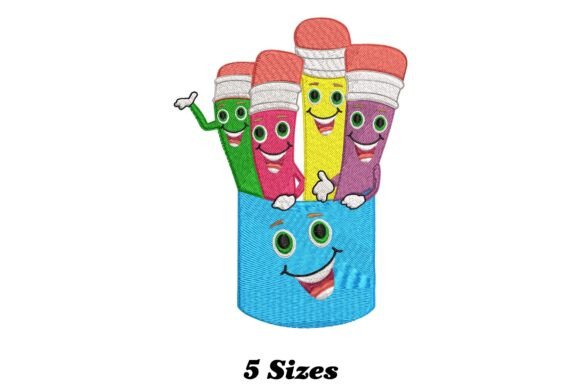
The immediate vibe of Funny Pencil is playful and approachable. It does not take itself too seriously, which is exactly what modern buyers are looking for in a handmade product. In a market saturated with overly intricate floral motifs and serious monograms, a design that offers a dash of charm stands out. It feels less like traditional Embroidery art and more like a graphic statement piece. This distinction is crucial for craft fair sellers. When a customer walks past your booth, they have seconds to decide if your items resonate with them. A whimsical pencil design signals fun, creativity, and nostalgia, making it an instant conversation starter.
From a aesthetic standpoint, the design leans towards the cute and modern side of the spectrum. It is not rustic or farmhouse-heavy, nor is it strictly minimal. Instead, it occupies a space that works well for teachers, students, artists, and anyone who appreciates a bit of humor in their daily accessories. This broad appeal is vital for a craft fair product because it expands your potential customer base beyond just parents buying for children.
Product Versatility: Where This Design Shines
The true test of any digital embroidery file is its adaptability. Can it survive on a curved surface? Does it get lost on a textured fabric? Here is how Funny Pencil performs across various popular items:
- Tote Bags: This is arguably the best home for this design. A canvas tote provides a flat, stable surface that allows the details of the pencil to remain crisp. As a tote bag design, it serves as a perfect teacher appreciation gift or a stylish accessory for college students.
- Aprons: An apron embroidery project benefits from the central placement of this motif. Whether placed on the bib or the lower skirt, the playful nature of the pencil complements the creative spirit of someone who wears an apron, be it for cooking or crafting.
- Tea Towels: For tea towel embroidery, placement is key. The design works well near the hem or in the corner. However, you must consider the fabric texture. Terry cloth can swallow small details, so ensure your stabilizer is robust enough to keep the stitches floating above the loops.
- Embroidered Patches: Creating an embroidered patch allows you to control the background fabric entirely. You can use bright felt or twill to make the pencil pop, then sell these as iron-on additions for jackets and backpacks.
- Caps and Pouches: While possible, these require caution. Curved cap surfaces can distort the image if the design is too wide. Small pouches offer limited space, so ensure the design scales down without losing its characteristic "funny" expression.
Production Practicalities for the Small Shop Owner
For the Etsy seller or boutique maker, time is money. A design that takes four hours to stitch is rarely a viable small shop product unless you are charging premium prices. Funny Pencil appears to be designed for efficiency. It likely functions well as a medium-sized focal point rather than an all-over print. This makes it ideal for batch production. You can hoop multiple items, run the machine, and move on to finishing touches quickly.
Photography is another critical factor. This design, with its clear lines and likely bold thread colors, photographs exceptionally well for online listings. It creates high contrast against light fabrics, which is essential for creating a compelling printable mockup or real-life product photo. Clear imagery leads to higher click-through rates and better conversion on digital marketplaces.
Technical Considerations and Careful Use
Before you commit to producing fifty units for a weekend market, there are technical nuances to address. Even the most charming design can fail if the execution is poor. Here are my professional notes for working with this specific type of motif:
- Stitch Density: Check the stitch density in your editing software. If the pencil body is too dense, it may cause puckering on lighter fabrics like cotton t-shirts. If it is too sparse, the backing fabric might show through, ruining the visual appeal.
- Small Details: Look closely at the eyes or any text associated with the pencil. Tiny details can easily become a blob of thread if the needle size is too large or if the fabric shifts. Always test on scrap fabric first.
- Stabilizer Selection: Do not skimp on the stabilizer. For stretchy fabrics like jersey knits, a cut-away stabilizer is non-negotiable. For woven towels, a tear-away might suffice, but a water-soluble topping can help prevent sink-in on textured materials.
- Hoop Size: Confirm the required hoop size before purchasing. Ensure it fits your machine’s maximum capacity. If the design is large, you may need a 5x7 or 6x10 hoop, which limits the types of garments you can easily embroider without re-hooping.
- Thread Contrast: The success of this design relies on color choice. A yellow pencil needs a strong outline to define its shape against white fabric. Experiment with thread combinations to ensure the design reads clearly from a distance.
Enhancing Brand Consistency and Buyer Engagement
Using Funny Pencil consistently across your product line can strengthen your brand identity. If your shop focuses on witty, lighthearted goods, this design becomes a signature element. It adds value to the finished product by transforming a plain item into a unique piece of art. Customers are not just buying a towel; they are buying a moment of joy.
For those involved in commercial embroidery, understanding the licensing terms is paramount. The product description mentions enhancing fabrics with charm, but it does not explicitly state the license type. Always verify if the design assets come with a commercial license that allows you to sell physical finished goods. Never assume; always read the terms provided by the designer to protect your business.
In conclusion, Funny Pencil is a strong contender for your next production run. It balances aesthetic appeal with practical production needs. By paying attention to fabric choice, stabilizer support, and thread contrast, you can create high-quality items that stand out at craft fairs and online stores alike. It is a reminder that in the world of handmade goods, personality sells just as well as precision.