Reviewing 5th Grade Leopard for Small Business Merch
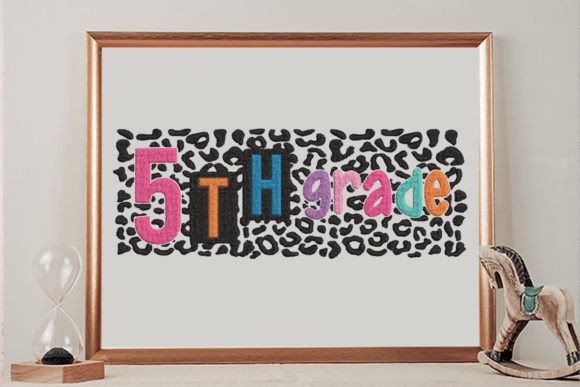
As an embroidery designer who has spent years digitizing patterns and consulting with small business owners, I approach every new machine embroidery design with a critical eye. It is not enough for a pattern to look cute on a screen; it must perform under the needle, withstand washing, and elevate the brand identity of the client using it. Recently, I evaluated the 5th Grade Leopard design, a playful addition to the Back To School category, to determine its viability for commercial use. This review focuses on how this specific embroidery file translates from digital asset to tangible product for boutiques, cafes, and handmade brands.
First Impressions: Balancing Whimsy and Professionalism
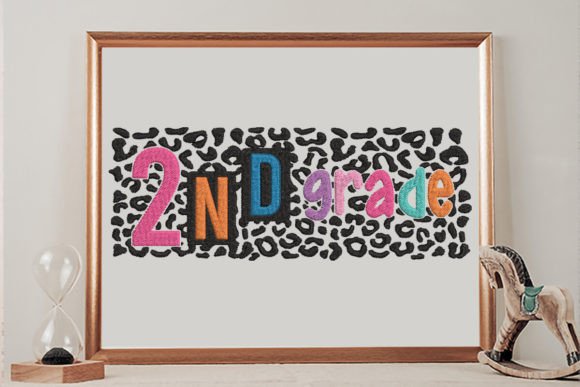
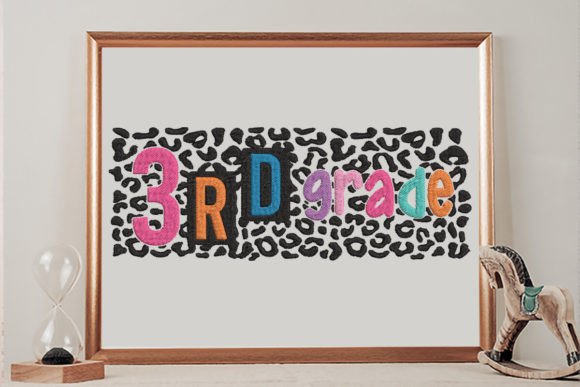
The initial visual impact of 5th Grade Leopard is undeniably charming. The description promises a "touch of charm" and a "fun and whimsical accent," and the design delivers on that premise. For a professional embroiderer, the immediate question is whether "whimsical" translates to "amateur." In this case, the design strikes a balance. It feels friendly and approachable, which is essential for businesses targeting families, students, or creative communities. However, for high-end luxury branding, this design might feel too casual. It is best suited for brands that want to project accessibility, creativity, and warmth rather than strict corporate elegance.
When reviewing the lines and shapes, I look for clarity. A leopard print or leopard-themed motif can easily become muddy if the stitch placement is too dense or the outlines are too thin. The success of 5th Grade Leopard relies on its ability to remain distinct even when scaled down. For small business owners, this means the design can serve as a recognizable logo accent without requiring excessive explanation to the customer.
Real-World Applications for Small Business Merch
The true test of any digital embroidery file is its versatility across different products. Here is how I envision 5th Grade Leopard performing in real commercial scenarios:
- Embroidered Patches: This is perhaps the strongest application. A leopard-themed patch can be ironed or sewn onto denim jackets, backpacks, or tote bags. Because patches are often viewed up close, the detail in the design can shine. It allows customers to customize their own gear, adding value to your small business merch.
- Staff Uniforms and Aprons: For a boutique bakery, a pet grooming studio, or a creative daycare, staff apparel needs to be durable yet branded. Using this design on an apron embroidery pocket adds a personal touch. It breaks the monotony of solid-colored uniforms and creates a conversation starter with customers.
- Cap Embroidery: Placing the design on the front or side of a baseball cap is a popular trend. However, caps have curved surfaces. The design must be digitized with pull compensation in mind to prevent distortion. If executed well, it becomes a stylish accessory that extends brand visibility beyond the shop floor.
- Tote Bag Design: Canvas totes are staples for eco-friendly brands. Stitching 5th Grade Leopard on a tote bag transforms a generic item into a branded statement piece. The contrast between the organic fabric texture and the structured embroidery stitches creates a premium handmade feel.
Navigating Technical Challenges and Fabric Constraints
While the aesthetic appeal is strong, technical execution requires caution. Not every fabric or garment is suitable for every design. Here are critical areas where you must exercise care when using 5th Grade Leopard:
- Stitch Density and Fabric Texture: If the design has high stitch density, it can cause puckering on lightweight fabrics like thin cotton t-shirts. Always test on the actual material you plan to sell. For delicate fabrics, consider using a cut-away stabilizer to provide long-term support, whereas tear-away might suffice for sturdy canvas or denim.
- Small Patch Sizes: If you intend to use this as a tiny chest logo or a small label, verify the minimum size. Fine details in leopard spots or facial features can merge together if scaled down too far. I recommend stitching a test sample at the smallest intended size to ensure legibility.
- Dark Uniforms and Thread Colors: The description mentions adding charm to various fabrics, but color contrast is key. On dark navy or black uniforms, ensure the thread colors used in the design pop. You may need to adjust the color palette in your embroidery software to maintain visibility and brand consistency.
- Curved Surfaces: As mentioned with caps, curved items distort designs. Hoop the garment properly and use appropriate backing. A poorly hooped cap will result in a skewed 5th Grade Leopard, which looks unprofessional and harms brand trust.
Impact on Brand Identity and Customer Trust
Consistency is the cornerstone of brand identity. When a customer sees the same high-quality embroidery on your packaging, your staff aprons, and your social media posts, it builds recognition. 5th Grade Leopard contributes to this by offering a consistent visual element that is both fun and polished. For Etsy sellers and crafters, using a cohesive set of design assets helps differentiate your shop from competitors who use generic clipart.
Furthermore, the perceived value of a finished product increases with quality embroidery. A well-stitched design signals attention to detail. Customers are willing to pay more for custom apparel that feels bespoke rather than mass-produced. By integrating this design into your product line, you signal that your brand values craftsmanship. This is particularly effective for Back To School promotions, where parents and students are looking for unique, durable items that stand out.
Practical Designer Notes for Production
Before launching 5th Grade Leopard into your production queue, follow these professional steps to ensure quality control:
- Test in Black and White: Before committing to colorful threads, stitch the design in black thread on white fabric. This reveals any gaps in coverage or issues with spacing that color might hide.
- Verify Commercial Licensing: Always confirm the license terms of the embroidery file. Ensure you have the right to use it for commercial purposes, especially if you are selling the embroidered items directly.
- Create a Printable Mockup: Use digital tools to place the design on various product images. This helps clients visualize the final result and aids in marketing before you stitch a single thread.
- Check Hoop Size Compatibility: Ensure the design fits within your standard hoop sizes. If it requires a large hoop, calculate if that increases your production time or material costs significantly.
- Inspect Spacing and Satin Stitches: Look for long satin stitches that might snag over time. If found, consider adding tack-down stitches or converting them to fill stitches for durability.
In conclusion, 5th Grade Leopard is a versatile and engaging option for small business merchandise. It bridges the gap between playful creativity and professional presentation. By understanding its technical requirements and strategic applications, embroidery professionals can leverage this design to create compelling, high-value products that resonate with customers. Whether used on a tote bag, a staff apron, or a custom patch, it serves as a effective tool for enhancing brand visibility and customer engagement.