Reviewing 3rd Grade Leopard for Boutique Sweatshirts
As an embroidery designer who has spent countless hours digitizing and testing motifs for small clothing brands, I know that the difference between a bestseller and a forgotten listing often comes down to one thing: the right design on the right garment. Recently, I had the opportunity to evaluate 3rd Grade Leopard for a limited-edition sweatshirt drop I am consulting on for a boutique brand. The goal was simple yet challenging: create a line of cozy, premium apparel that feels playful but polished, perfect for the Back To School season without being overly juvenile.
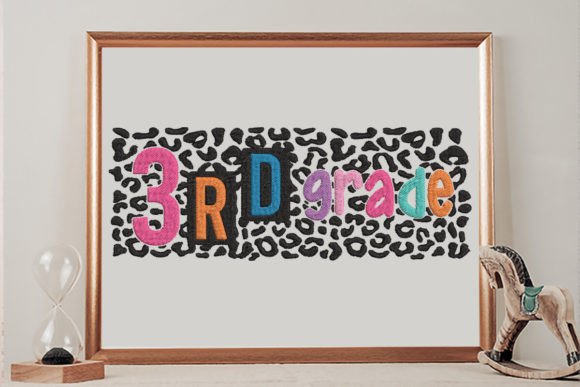
My first impression of 3rd Grade Leopard was immediate. It strikes a delicate balance between whimsical charm and modern simplicity. In an industry saturated with complex, high-density patterns, this design stands out because it understands the power of negative space. When I loaded the digital embroidery file into my software, the layout appeared clean and well-structured. For a designer, this is crucial. It means the motif is likely optimized for speed and stability, reducing the risk of puckering on thicker fabrics like fleece or French terry.
Visual Impact on Premium Sweatshirt Fabrics
The true test of any machine embroidery design is how it interacts with fabric texture. I simulated the placement of 3rd Grade Leopard on several different base colors to gauge its versatility. On neutral sweatshirts—think oatmeal, heather grey, or soft beige—the design pops with a sophisticated contrast. It feels less like a cartoon and more like a curated graphic element, which elevates the perceived value of the handmade product.
When I visualized it on dark fabrics, such as charcoal or navy, the outcome depended heavily on thread choice. A metallic gold or bright white thread would make the leopard spots sing, creating a bold, eye-catching accent that works beautifully for hoodie design collections aimed at teens and young adults. Conversely, placing it on pastel colors gave the design a softer, more feminine appeal. This versatility is a massive asset for any Etsy seller or small shop product creator who needs to maximize their inventory without purchasing dozens of unique designs.
For oversized hoodies, which are currently dominating the custom apparel market, the scale of 3rd Grade Leopard feels just right. It is not so large that it overwhelms the chest area, nor is it so small that it gets lost in the bulk of the fabric. It sits comfortably as a left-chest logo or a central focal point, offering a decorative touch that enhances the garment rather than competing with it.
Technical Considerations for Commercial Production
While aesthetics drive sales, technical execution ensures customer satisfaction. As I reviewed the embroidery file, I paid close attention to the potential stitch density. Leopard print patterns can sometimes suffer from excessive satin stitching, which leads to stiffness and fabric distortion. However, 3rd Grade Leopard appears to utilize a mix of fill and running stitches that suggest a lighter hand on the fabric. This is critical for sweatshirt embroidery, where the base material is already thick and plush.
For those planning to produce this commercially, stabilizer choice is non-negotiable. Given the looped nature of sweatshirt fleece, I recommend using a strong cut-away stabilizer to support the design long-term. This ensures that the finished product maintains its shape after multiple washes. Washing durability is a major concern for buyers; if the embroidery twists or pulls after the first cycle, your brand reputation takes a hit. The clean lines of this design suggest it will hold up well, provided the tension is calibrated correctly during stitching.
Another practical concern is hoop size and placement. Since the description notes that this design can be stitched on t-shirts and towels as well, it is likely compact enough to fit in standard 4x4 or 5x7 hoops. This makes it accessible for home-based entrepreneurs who may not have industrial multi-head machines. However, always check the specific dimensions in the file details before purchasing. Small-size readability is key; you want the spots to remain distinct and not merge into a blurry blob when scaled down for sleeve accents or pocket details.
Enhancing Brand Identity and Product Value
In the world of online retail, visual recognition is everything. 3rd Grade Leopard offers a consistent visual language that can help build a cohesive boutique brand identity. Imagine using this motif across a collection: embroidered on the chest of a hoodie, printed on the packaging, and featured in your printable mockup previews. This repetition creates a signature look that customers begin to associate with quality and style.
For commercial embroidery projects, the design’s whimsical nature invites engagement. It is not just a static image; it suggests movement and fun. This emotional connection can significantly boost customer engagement on social media platforms. When you post lifestyle product photography featuring this design, the playful spots invite comments and shares, driving organic traffic to your store.
Moreover, the perceived value of the item increases when the embroidery looks intentional and premium. A poorly digitized design can make a $60 sweatshirt feel like a $10 thrift store find. In contrast, 3rd Grade Leopard, with its clean edges and balanced composition, reinforces the idea that the buyer is investing in a high-quality, thoughtfully crafted item. This builds buyer trust, which is the cornerstone of any successful handmade business.
Strategic Placement and Marketing Tips
To get the most out of this design asset, consider strategic placement beyond the standard chest position. Sleeve accents are trending, and a small iteration of the leopard spot pattern near the cuff can add a subtle, stylish detail that distinguishes your product from competitors. For back designs, you might consider repeating the motif in a scattered pattern or pairing it with text for a more complex look, though the standalone strength of 3rd Grade Leopard means it often shines best in isolation.
When creating listings for your Etsy seller account or independent website, use keywords that reflect the mood of the design. Terms like "playful," "modern," "cozy," and "whimsical" resonate with shoppers looking for unique Back To School gear or seasonal gifts. Highlight the versatility of the design by showing it on different items—towels, home decor, and apparel—to demonstrate its wide appeal.
It is also worth noting that while the product description mentions it comes with certain files, you should always verify the included formats (such as PES, DST, or JEF) to ensure compatibility with your specific machine. Additionally, confirm the license terms if you plan to sell finished goods commercially. Most designers allow commercial use for physical products, but clarity here prevents legal headaches down the road.
Final Verdict for Designers and Makers
In conclusion, 3rd Grade Leopard is a strong contender for any designer’s library. It is not just a cute clipart conversion; it is a well-thought-out machine embroidery design that respects the limitations and possibilities of the medium. Its ability to adapt to various fabric textures and color palettes makes it a versatile tool for creating diverse product lines.
For small business owners, this design offers a low-risk, high-reward opportunity. It is simple enough to stitch quickly, keeping production costs manageable, yet distinctive enough to stand out in a crowded marketplace. Whether you are launching a new hoodie design collection or adding a fun accent to your existing home decor line, this leopard motif delivers the charm and professionalism needed to succeed. By paying attention to stabilizer choices and thread contrasts, you can transform this digital file into a tangible asset that drives sales and delights customers.