Review: ITH Mini Bag for Back to School Craft Fairs
As an embroidery designer who has spent countless weekends behind a booth table, I know that the difference between a browsing customer and a buying customer often comes down to one thing: immediate visual appeal. When I first pulled up the ITH Mini Bag Back to School Embroidery design, my mind didn’t just go to the stitch count; it went straight to my upcoming fall market schedule. This isn’t just another digitized pattern; it is a potential revenue stream for anyone selling handmade goods during the busy back-to-school season.
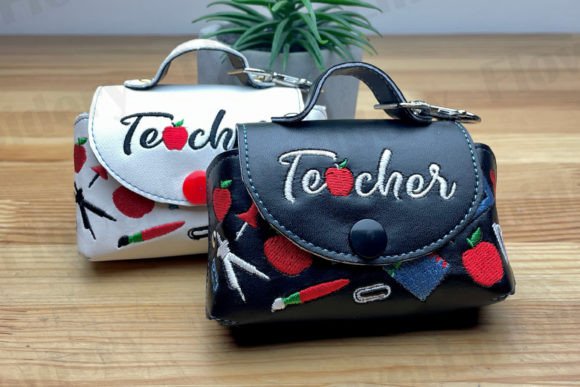
The product description identifies this as an In-The-Hoop (ITH) embroidery mini bag, versatile enough to serve as a purse, chapstick holder, poo bag holder, or tissue holder. For a craft fair seller, versatility is key. You aren't just selling a bag; you are selling a solution. Parents need places for sanitizer, teachers need spots for dry-erase markers, and dog owners need discreet ways to carry waste bags. This design hits all those notes while fitting neatly into the 7 x 10 inch hoop category, which is a sweet spot for many home-based embroidery businesses.
First Impressions and Market Fit
When evaluating a new machine embroidery design, I look for clarity. Does it read well from three feet away? The "Back to School" theme suggests a aesthetic that is likely playful, organized, and perhaps slightly nostalgic or modern-minimal depending on the font choices included in the Graphics. For a weekend craft fair, this design feels like a strong contender for the "impulse buy" category. It is small enough to be affordable but functional enough to feel valuable.
In my experience, items that solve a specific problem sell faster than purely decorative items. A decorative pillow is nice, but a chapstick holder that clips onto a backpack is useful. By positioning this handmade product as a utility item with a cute aesthetic, you elevate its perceived value. The fact that it is an ITH design means the finishing is professional. There are no raw edges to serge or hem manually, which significantly reduces production time. For a small shop product, speed of production is just as important as the beauty of the final stitch.
Product Versatility and Display Strategy
One of the strongest aspects of this embroidery file is its adaptability. While it is designed as a standalone mini bag, consider how it integrates into a larger booth display. If you are already selling tote bag design options or apron embroidery, these mini bags can serve as add-on items. Imagine a display where a large canvas tote features a matching school-themed motif, and hanging right next to it is this mini bag in a coordinating fabric. This creates a cohesive look that encourages bundle sales.
For Etsy seller accounts, this design offers excellent photography opportunities. Because the item is small and structured, it photographs well on flat lays or modeled on a child’s backpack strap. You can create a printable mockup or use real-life staging to show the bag holding common items like lip balm, keys, or tissues. This helps the online buyer visualize the scale, which is often a hurdle in digital sales. Furthermore, because it falls under Sewing Patterns in terms of utility but is delivered as a digital file, it appeals to the growing market of makers who want quick, professional-looking results without complex sewing skills.
Production Practicality and Batch Selling
From a production standpoint, the 7 x 10 inch hoop size is ideal for batch production. It is large enough to allow for substantial design detail but small enough to fit on most mid-range home machines. When preparing for a craft fair, I always look for designs that are repeatable. Can I make ten of these in an afternoon? With an ITH design, the answer is usually yes, provided you have your assembly line set up. You can cut all your fabrics, hoop all your stabilizers, and run the machines in batches.
The included step-by-step tutorial with photos is a critical asset here. For commercial embroidery success, consistency is vital. Following the tutorial ensures that every bag you produce looks identical in quality. This consistency builds trust with your customers. If one bag has loose threads or uneven seams and another is perfect, your brand reputation suffers. Use the tutorial to standardize your process, ensuring that your finished product meets a high standard every time.
Technical Considerations and Careful Use
While the design promises ease, any experienced embroiderer knows that technique matters. Before you commit to producing fifty units for a fair, you must test the stitch density. ITH designs can sometimes become bulky if too many layers of fabric and stabilizer are used. Check the thickness of the final bag. If it is too stiff, it might not drape nicely when attached to a backpack. If it is too flimsy, it won’t hold its shape.
Pay close attention to your choice of stabilizer. For a bag that will be handled frequently, a cut-away stabilizer might provide better longevity than a tear-away, especially if the fabric is lightweight. Also, consider the fabric texture. Smooth cottons or quilting weights work best for ITH projects. Avoid thick, textured towels or heavy denim unless you are certain your machine can handle the height difference, as this can lead to needle breaks or skipped stitches.
Thread contrast is another vital element. Since this is a back-to-school theme, bright, primary colors or trendy pastels will likely perform best. Ensure your thread colors pop against the fabric. If you are using dark fabric, make sure the design includes satin stitches or fill patterns that cover the background adequately so the fabric doesn't show through unintentionally. Tiny details can get lost if the resolution of the digitizing isn't sharp, so inspect your test stitch-out closely under good lighting.
Maximizing Visual Appeal and Brand Consistency
To truly make this craft fair product stand out, think about the presentation. Don't just pin it to a board. Show it in use. Clip it to a sample backpack. Fill it with colorful school supplies. The goal is to trigger an emotional response in the buyer—"My child needs that." This emotional connection drives sales more than the technical specs of the digital embroidery file.
Brand consistency is also crucial. If your booth has a rustic farmhouse vibe, choose linen-blend fabrics and muted earth tones for these bags. If your brand is modern and bold, use bright solids and geometric prints. The design assets provided in the package should be adapted to fit your specific brand identity. This ensures that when a customer sees the bag, they recognize it as part of your unique collection, not just a generic item.
Final Designer Notes for Success
Before you list this as a commercial embroidery product or take it to market, do your due diligence. Confirm the commercial licensing terms. Most designers allow you to sell finished physical products, but you must verify this to protect your business. Additionally, check the exact file formats provided to ensure they are compatible with your specific machine model.
Create at least one real mockup for your marketing materials. Take high-quality photos in natural light. Compare different fabric colors to see which combinations yield the highest contrast and visual interest. Remember, the hoop size limitation means you cannot scale this up indefinitely, so respect the intended dimensions to maintain the integrity of the design.
In conclusion, the ITH Mini Bag Back to School Embroidery is a strategic addition to any handmade seller's portfolio. It combines practicality with seasonal demand, offers efficient production through its ITH construction, and provides versatility in marketing. By paying attention to technical details like stabilizer choice and thread contrast, and by presenting the item in a way that highlights its utility, you can turn this simple embroidery file into a best-selling staple of your fall inventory.