Apple and Pencil: A Designer’s Review for Brand Merch
As an embroidery designer who has spent years digitizing logos and reviewing files for commercial use, I approach every new machine embroidery design with a critical eye. It is not just about whether a motif looks cute on a screen; it is about how it performs in the real world of small business merchandise. Recently, I evaluated the Apple and Pencil design, a piece categorized under Back To School themes but possessing far broader potential for branded applications. This review focuses on its viability for patches, uniforms, and custom apparel rather than simple home decor.
First Impressions: Professional Charm vs. Playful Quirk
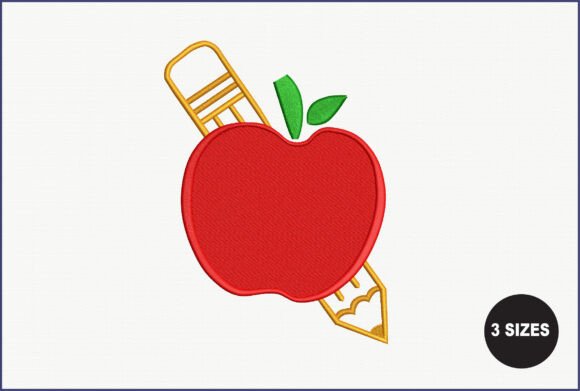
The initial visual impact of Apple and Pencil strikes a balance between professional utility and approachable charm. The combination of these two iconic symbols immediately evokes creativity, education, and craftsmanship. For a boutique owner or a creative studio, this imagery suggests a brand that values both traditional skills (the pencil) and organic growth or natural quality (the apple).
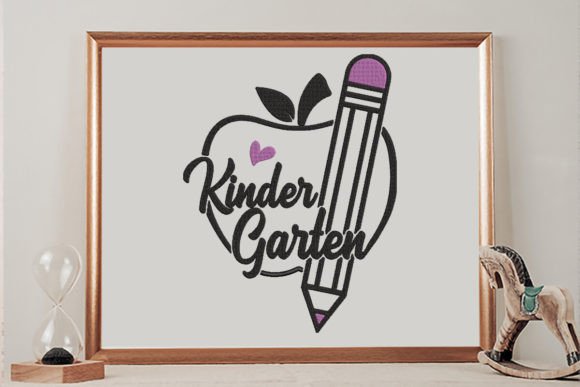
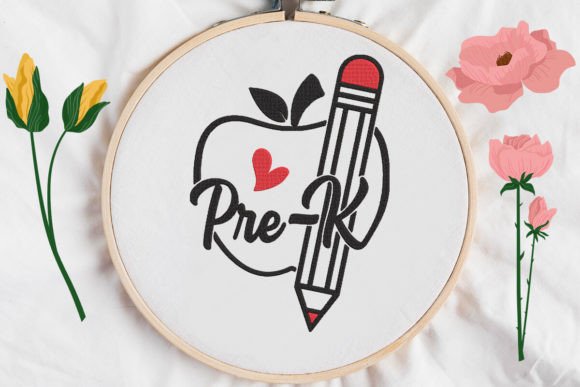
Unlike overly complex digital illustrations that lose detail when stitched, this design appears to rely on clear shapes and recognizable silhouettes. This is crucial for commercial embroidery where clarity equals professionalism. The description notes it adds a "fun and quirky accent," which tells me the digitizing likely avoids excessive density, aiming instead for a clean, modern look that works well on various fabric textures. It feels less like a childish clipart and more like a stylized logo mark suitable for a handmade product line.
Real-World Applications for Small Business Merch
When I consider where to place Apple and Pencil, I look beyond the standard t-shirt. For small business owners, versatility is key to maximizing the return on investment for a digital embroidery file. Here is how this design performs across different merchandise categories:
- Embroidered Patches: This is perhaps the strongest use case. A patch allows you to apply the design to multiple products without re-hooping every item. Imagine a leather or twill patch featuring this motif sewn onto canvas tote bags or denim jackets. It creates a cohesive brand identity that customers can wear proudly.
- Staff Uniforms and Aprons: For cafes, bakeries, or art supply stores, apron embroidery serves as a walking advertisement. Placing Apple and Pencil on the chest pocket area of a canvas apron adds a touch of artisanal credibility. It signals to customers that the staff are creators, not just servers.
- Cap Embroidery: Caps require designs with limited height and careful stitch direction. If the pencil element is horizontal, it could work beautifully across the front panel of a dad hat or trucker cap. However, one must ensure the apple does not become too bulky, which can cause puckering on curved surfaces.
- Tote Bag Design: Canvas totes are staples for Etsy sellers and craft fairs. Stitching this design centrally or on the corner handle base transforms a generic bag into a branded asset. The contrast of thread against natural cotton canvas highlights the thread colors effectively.
Navigating Technical Challenges and Fabric Constraints
While the aesthetic appeal is strong, practical execution requires attention to detail. As a designer, I advise caution when scaling Apple and Pencil down for tiny labels or small patches. If the design includes fine details in the pencil lead or the apple stem, these may merge or break if the stitch density is too high for the size.
For dark uniforms, such as navy or black staff shirts, you must verify that the design relies on solid fills rather than subtle shading. Lighter thread colors will pop, but if the design uses thin satin stitches for outlines, they might get lost against textured fabrics like pique polo shirts. Always test on the actual garment material. A printable mockup can help visualize placement, but nothing replaces a physical test stitch-out.
Additionally, consider the hoop size required. If you are running a multi-needle machine, ensure the design fits within your standard hoops to avoid frequent re-hooping during production runs. For single-needle home machines used by small startups, confirm that the file format is compatible and that the design does not exceed the maximum hoop dimensions of your equipment.
Enhancing Brand Identity and Customer Trust
In the crowded marketplace of handmade goods, consistency builds trust. Using a distinct motif like Apple and Pencil across your small business merch creates visual recognition. When a customer sees the same embroidered icon on their tote bag, their coffee mug sleeve, and your packaging tag, it reinforces professionalism.
This design supports a narrative of creativity and care. For educational brands or creative workshops, it aligns perfectly with the Back To School season but remains relevant year-round as a symbol of learning and making. It elevates a simple custom apparel item into a collectible piece of brand memorabilia. Buyers engage more deeply with products that feel intentionally designed rather than mass-produced. The tactile nature of embroidery adds perceived value, allowing you to price your finished product higher than printed alternatives.
Practical Designer Notes for Production
Before launching a production run with Apple and Pencil, follow these essential steps to ensure quality control:
- Test in Black and White: Stitch the design out in monochrome first. This reveals any issues with shape definition and spacing without the distraction of color. If it looks good in black thread, it will look great in color.
- Check Stabilizer Compatibility: Use the appropriate stabilizer for your fabric. Cut-away stabilizer is best for stretchy knits like t-shirts, while tear-away works for stable wovens like tote bags. Incorrect stabilization leads to puckering and distortion.
- Review Thread Color Contrast: Select thread colors that offer high contrast against your base fabric. If using red for the apple, ensure it is vibrant enough to stand out against dark backgrounds, or consider outlining elements to define edges.
- Verify Commercial Licensing: Always confirm the license terms of the embroidery file. Ensure you have the right to use it for physical goods sold in your shop. Never assume a free download includes commercial rights.
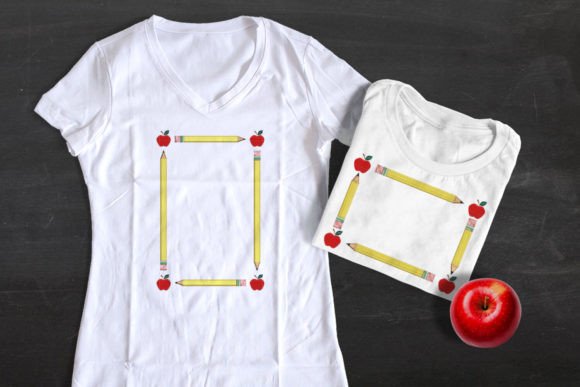
- Create Client Mockups: If you are fulfilling orders for other businesses, create a high-quality printable mockup showing the design on their specific garment. This manages expectations and reduces revision requests.
In conclusion, Apple and Pencil is a versatile asset for any embroidery business looking to expand its portfolio of design assets. It bridges the gap between playful aesthetics and professional branding. By paying attention to technical details like stitch density and fabric choice, you can transform this simple motif into a powerful tool for building brand loyalty and creating high-quality, tangible merchandise. Whether for a local bakery’s aprons or an online store’s tote bags, this design offers the charm and durability needed for successful commercial embroidery projects.