Crayons Embroidery Design: A Designer’s Review
As an embroidery designer who has spent years digitizing patterns and testing them on everything from flimsy silk to heavy canvas, I approach every new machine embroidery design with a critical eye. It is not just about whether the image looks cute on a screen; it is about how those stitches lay down on fabric, how the tension holds up after washing, and whether the final finished product feels professional enough to sell. Recently, I evaluated the Crayons design, a hand-drawn artistic piece intended for the Back To School season. Here is my practical assessment of how this design performs in real-world scenarios.
First Impressions and Visual Personality
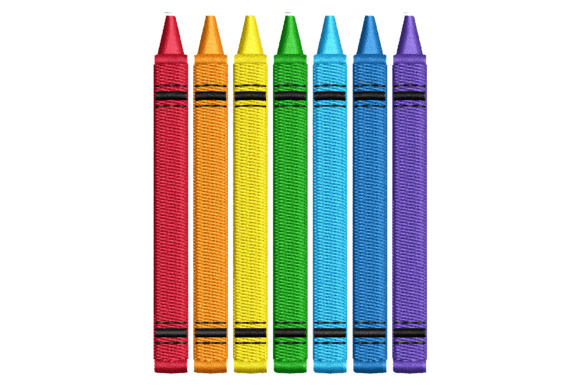
The first thing that strikes me about Crayons is its organic, hand-drawn aesthetic. In a market saturated with rigid, vector-perfect clipart converted into stitches, this design retains a sense of artistic whimsy. The layout suggests a cluster of crayons, likely overlapping or arranged in a casual, playful manner. This mood is crucial because it dictates where the design belongs. It does not scream "corporate uniform"; instead, it whispers "creative classroom" or "artistic toddler."
For a designer, this visual personality is a asset. It allows for versatility in thread colors. Because the subject matter is inherently colorful, you are not locked into a specific brand palette. You can match the threads to a client’s school colors, a nursery theme, or a personal preference. However, the hand-drawn nature means the lines may not be perfectly straight, which is a stylistic choice rather than a flaw. It adds character, but it requires careful handling during the stitching process to ensure it looks intentional, not messy.
Real-World Application: The Tote Bag Test
To truly understand the value of an embroidery file, I mentally place it on various substrates. My primary test case for Crayons was a canvas tote bag design. Canvas is forgiving, but it has a distinct weave that can swallow small details if the stitch density is too low.
In this scenario, the design shines. The bold shapes of the crayons provide enough surface area for solid fill stitch coverage, ensuring the design pops against the textured background. For an Etsy seller or small shop product creator, this is ideal. It transforms a generic bag into a personalized item that parents would buy for their children’s art supplies. The design’s scale seems appropriate for the side or front panel of a standard tote, offering high visibility without overwhelming the bag’s structure.
Beyond totes, I envision this working beautifully as sweatshirt embroidery. On a heather grey or navy fleece, the bright colors of the crayons would create a striking contrast. It fits perfectly into the niche of custom apparel for art teachers, kindergarten students, or creative workshops. The playful vibe aligns well with the comfort and casual nature of sweatshirts, making it a strong candidate for fall and winter collections.
Technical Considerations and Stitching Clarity
While the aesthetic is appealing, the technical execution is where many designs fail. Since the product description notes it is hand-drawn by an embroidery artist, I anticipate a mix of stitch types. Likely, there are satin stitch borders to define the crayon wrappers and fill stitch bodies for the wax itself. There might also be running stitch details for text or fine outlines.
Here is where caution is needed. If the design includes tiny text or intricate corners, these areas are prone to thread breaks or puckering, especially on stretchy fabrics. I recommend checking the stitch density carefully. If the density is too high on a thin fabric like a t-shirt, the garment will pucker around the design. If it is too low on a towel, the fabric underneath will show through, ruining the visual appeal.
For those considering this for an embroidered patch, the design’s boundaries must be clean. Patches require dense stitching to prevent fraying edges, so ensure the outer lines of the crayons are robust. If you are using this as an applique design, verify that the placement stitches and cut lines are clearly defined in the file. Applique can reduce bulk, which is beneficial for baby embroidery items where comfort against sensitive skin is a priority.
Fabric and Hoop Constraints
Not every surface is suitable for Crayons. While it works well on stable fabrics like canvas, denim, and fleece, I would hesitate to use it on highly textured materials like thick knits or loose-weave linens without proper stabilization. The fabric texture can distort the smooth lines of the crayons, making them look jagged.
Similarly, curved surfaces like caps present a challenge. If the design is wide, it may not hoop flat on a standard cap frame, leading to distortion. Always check the recommended hoop size before purchasing. If the design is large, you may need a 5x7 or larger hoop, which limits your machine compatibility. For smaller hoops, ensure the design scales down without losing legibility. Tiny details often disappear when reduced, turning a crisp image into a blob of thread.
Stabilizer choice is non-negotiable here. For a personalized gift like a baby onesie, use a soft, cut-away stabilizer to support the stitches without irritating the skin. For a tote bag, a tear-away might suffice, but a cut-away ensures longevity, especially if the bag will carry heavy books. Remember, the quality of the finished product depends as much on your stabilizer and thread quality as it does on the digital file.
Commercial Viability and Brand Consistency
For craft business owners and commercial embroidery professionals, Crayons offers strong potential for seasonal sales. The Back To School market is competitive, so having a unique, hand-drawn style helps your products stand out from generic store-bought items. It adds perceived value, allowing you to charge a premium for handmade quality.
However, professionalism is key. Before listing this as a digital embroidery file or selling finished items, test it extensively. Create printable mockup images to show customers how it looks on different colors. Compare light and dark fabric backgrounds to ensure your thread choices provide enough contrast. A design that looks great on white may vanish on black if the outline is too thin.
Also, consider the licensing. If you plan to sell finished goods, confirm that the designer allows commercial use. If you are selling the file itself, ensure you have the correct rights. Protecting your design assets and respecting intellectual property builds trust with your customers and fellow creators.
Final Verdict and Practical Tips
In summary, Crayons is a charming, versatile design that fits well within the Embroidery niche for educational and creative themes. Its hand-drawn style gives it a warmth that rigid vectors lack, making it ideal for holiday embroidery gifts, teacher appreciation presents, and boutique children’s wear.
- Test on scrap fabric: Always run a test stitch-out to check for thread breaks and registration issues.
- Check color contrast: Ensure your thread colors stand out against the fabric background.
- Use proper stabilizer: Match the stabilizer to the fabric weight and stretch.
- Verify hoop size: Confirm the design fits your machine’s maximum hoop area.
- Inspect small details: Zoom in on the digitized file to check for overly dense areas or tiny, fragile stitches.
By approaching this design with a designer’s mindset—focusing on stitch quality, fabric compatibility, and end-use functionality—you can create high-quality, profitable items that customers will love. Whether you are making a single personalized gift or stocking your online store, Crayons has the potential to be a standout piece in your portfolio.