Colorful Pencils: A Designer’s Review for Stitchers
As an embroidery designer who has spent countless hours digitizing and testing motifs, I approach every new machine embroidery design with a critical eye. It is not enough for a graphic to look good on a screen; it must translate flawlessly into thread. Recently, I evaluated Colorful Pencils, a charming motif intended for the Back To School season and artistic expression. This review breaks down how this design performs in real-world applications, offering practical insights for Etsy sellers, craft business owners, and hobbyists looking to elevate their finished products.
First Impressions and Visual Personality
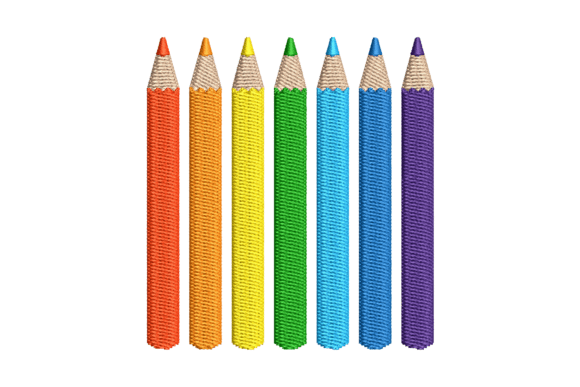
The immediate appeal of Colorful Pencils lies in its hand-drawn aesthetic. In a market saturated with rigid, vector-perfect clipart, this design offers a softer, more organic feel. The layout suggests a casual cluster of coloring tools, which creates a mood of creativity and playfulness. For a designer, this is crucial because it dictates the emotional response of the end customer. It does not scream "corporate branding"; instead, it whispers "handmade care."
When examining the line work, I look for potential stitching issues. The pencils feature distinct outlines and internal details that suggest a mix of satin stitch for borders and fill stitch for the colored bodies. This combination is standard but requires careful attention to stitch density. If the density is too high, the fabric may pucker; if too low, the underlying fabric might show through, ruining the vibrancy of the thread colors. The visual personality here is versatile, bridging the gap between childish whimsy and artistic sophistication, making it suitable for a wide demographic.
Real-World Application: The Custom Tote Bag Test
To truly understand the value of an embroidery file, you must imagine it on a physical product. I visualized Colorful Pencils stitched onto a natural canvas tote bag. This is a classic tote bag design scenario. The rough texture of canvas provides a sturdy base that can handle moderate stitch density without distortion. The colorful threads would pop against the neutral background, creating a high-contrast, eye-catching accessory.
For an Etsy seller, this application is gold. Parents shopping for back-to-school supplies or artists looking for unique gear are drawn to personalized items. By adding a name beneath the pencils using a complementary font, the item transforms from a generic accessory into a personalized gift. The design’s scale appears appropriate for the center of a tote or the corner of a pocket, offering flexibility in placement. However, I would advise testing the design on scrap fabric first to ensure the stabilizer choice matches the weight of the canvas. A cut-away stabilizer is often safer for bags that will carry heavy loads, preventing the stitches from pulling out over time.
Apparel and Soft Goods Considerations
Moving beyond accessories, let us consider sweatshirt embroidery. A heather grey crewneck sweatshirt serves as an excellent backdrop for this motif. The softness of the fleece requires a different approach than canvas. Here, the hoop size becomes critical. If the design is large, it may require a 5x7 or larger hoop. I recommend checking the specific dimensions of the Colorful Pencils file before purchasing to ensure it fits your machine’s capabilities.
For baby embroidery, such as on a onesie or bib, caution is necessary. Babies have sensitive skin, so the back of the stitching must be clean. I would suggest using a soft tear-away stabilizer and possibly covering the back of the stitches with a fusible interfacing if the design feels scratchy. Additionally, ensure that any small details in the pencil tips do not become choking hazards if they loosen, although this is rare with proper tension settings. The cute factor is high, making it a strong contender for baby shower gifts, but durability and comfort must remain the priority.
Navigating Fabric Challenges and Stitching Clarity
Not every fabric is a friend to detailed embroidery. When working with textured fabrics like terry cloth towels, the fine lines of the pencil outlines might get lost. In such cases, increasing the stitch width slightly or choosing a contrasting thread color can help maintain stitching clarity. For thin or stretchy fabrics, such as jersey t-shirts, the risk of puckering is significant. Using a water-soluble topping can help keep the stitches on top of the fabric rather than sinking in, preserving the crispness of the hand-drawn look.
Dark fabrics present another challenge. If you plan to stitch Colorful Pencils on a navy or black garment, you must ensure the thread colors are vibrant enough to stand out. Pastel threads may disappear. I always recommend creating a printable mockup or digitally simulating the design on dark backgrounds before committing to thread. This step saves time and materials, ensuring that the final finished product meets professional standards.
Commercial Viability and Brand Consistency
For those running a small shop product line or selling design assets, consistency is key. Colorful Pencils fits well within a broader collection of school-themed or artistic motifs. It can be paired with other educational icons like apples, books, or rulers to create cohesive sets. This strategy increases the perceived value of your offerings and encourages bulk purchases from customers looking to brand their boutique merchandise.
However, commercial use requires diligence. Before selling items made with this digital embroidery file, confirm the licensing terms. Some designers allow unlimited sales of finished physical items, while others restrict the number of units or prohibit the sale of the digital file itself. Never assume; always read the license agreement to protect your craft business from legal issues. Transparency with customers about the handmade nature of the product also builds trust and enhances the perceived value of the item.
Practical Designer Notes for Best Results
To maximize the potential of Colorful Pencils, follow these practical steps:
- Test on Scraps: Always stitch a test run on the same fabric type you intend to use for the final product. Check for registration issues where colors meet.
- Thread Contrast: Select thread colors that mimic real pencils but offer enough contrast to define the shape. Avoid using similar shades for adjacent pencils.
- Stabilizer Selection: Match the stabilizer to the fabric weight. Use cut-away for knits and stretchy materials, and tear-away for woven cottons.
- Hoop Size Verification: Confirm the design dimensions fit your hoop. If resizing, do so in small increments to avoid distorting the stitch angles.
- Inspect Small Details: Zoom in on the digitized file to check for tiny jumps or unnecessary trims that could weaken the structure.
- Mockup Testing: View the design in black and white to ensure the shape is recognizable even without color. This helps in assessing the strength of the outline.
In conclusion, Colorful Pencils is a versatile and appealing choice for various embroidery projects. Its hand-drawn charm resonates with customers seeking authenticity and warmth. Whether used for holiday embroidery gifts, custom apparel, or embroidered patch creations, it holds up well when handled with technical precision. By understanding the interplay between thread, fabric, and digitization, you can transform this simple motif into a standout product that enhances your brand and delights your customers.